7 Simple Fishing Techniques That Guarantee More Catches
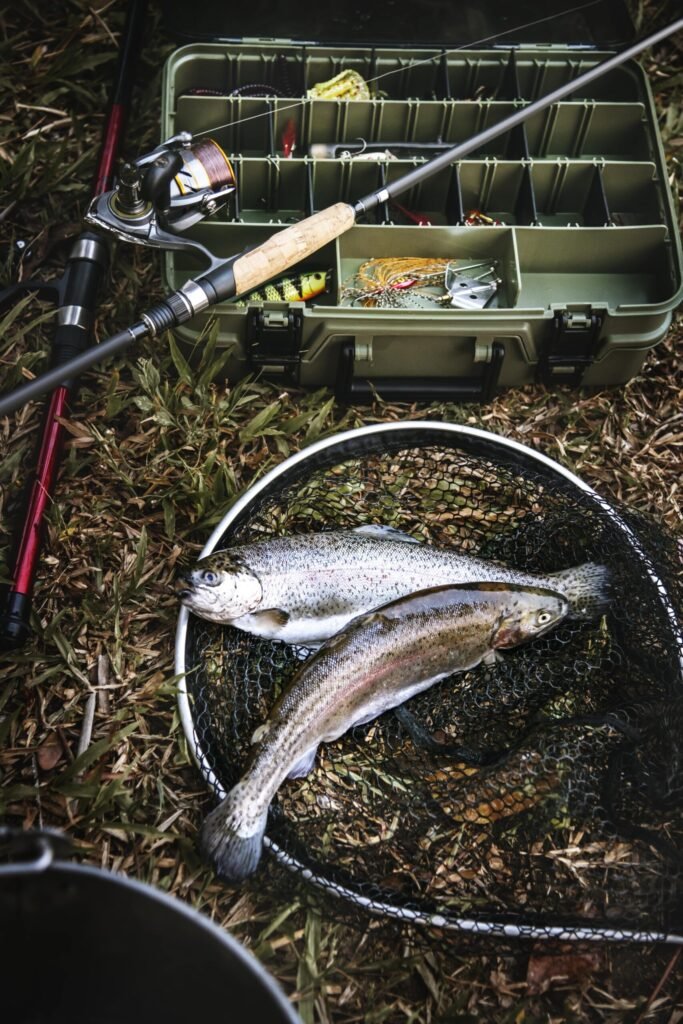
Table of Contents
7 Simple Fishing Techniques That Guarantee More Catches
Fishing is both an age-old pastime and a modern sport, enjoyed by people of all ages and skill levels. Whether you’re casting a line in a serene lake or braving the open ocean, understanding various fishing techniques can significantly improve your success and enjoyment. In this blog post, we’ll explore some of the most popular and effective fishing techniques, along with tips to get you started.
Bait Fishing
Bait fishing, also known as still fishing, is one of the simplest and most traditional methods. It involves using natural bait (like worms, minnows, or insects) to attract fish. The bait is usually attached to a hook, with a sinker to keep it submerged. Patience is key, as you’ll often wait for the fish to come to you. This technique works well in lakes, rivers, and ponds and is ideal for beginners.
Tips:
Use fresh, local bait for best results.
Match your hook size to the type of fish you’re targeting.
Lure Fishing
Lure fishing is an active, engaging technique that uses artificial baits to mimic the appearance and movement of prey. Unlike bait fishing, which relies on a fish’s sense of smell, lure fishing works by triggering a fish’s predatory instincts. The key to success is to make the lure look as alive and enticing as possible, convincing the fish that it’s an easy, tasty meal.
Lures come in a vast array of shapes, sizes, and colors, each designed for a specific purpose. Spinners, with their rotating blades, create flash and vibration that attracts fish from a distance. Jigs, often rigged with soft plastic trailers, are versatile and can be used to imitate everything from a crayfish to a wounded baitfish. Soft plastics are incredibly lifelike and can be rigged in countless ways, making them a favorite for bass anglers. Crankbaits dive to specific depths and have a wobbling action that perfectly mimics a swimming fish.
Tips:
Vary your retrieval speed and pattern to trigger strikes.
Choose lure colors based on water clarity and light conditions.
Fly Fishing
Fly fishing is a specialized technique that uses lightweight, artificial flies as bait and a unique casting method to present them delicately on the water’s surface. It’s especially popular for catching trout and salmon in rivers and streams. Fly fishing requires skill and practice but is highly rewarding for those who master it.
Tips:
Practice your casting in open areas before heading to the water.
Select flies that match local insect life (a practice called “matching the hatch”).
Trolling
Trolling involves dragging baited lines or lures behind a moving boat. This technique covers a lot of water and is often used in lakes and oceans to target species like salmon, walleye, and tuna. Trolling allows anglers to find active fish quickly and is effective for both recreational and competitive fishing.
Tips:
Use a fish finder to locate schools of fish.
Adjust boat speed and lure depth for different species.
Bottom Fishing
Bottom fishing targets species that dwell near the bottom of lakes, rivers, or oceans (like catfish, snapper, or grouper). This method involves dropping baited hooks to the bottom and waiting for a bite. Heavy sinkers are often used to keep the bait in place.
Tips:
Use strong tackle to handle larger bottom-dwelling fish.
Stay alert for subtle bites.
Conclusion
Each fishing technique offers unique challenges and rewards. By exploring different methods, you can expand your skills and adapt to various fishing environments. Whether you’re a beginner or a seasoned angler, mastering these techniques will help you get the most out of your fishing adventures. Tight lines!