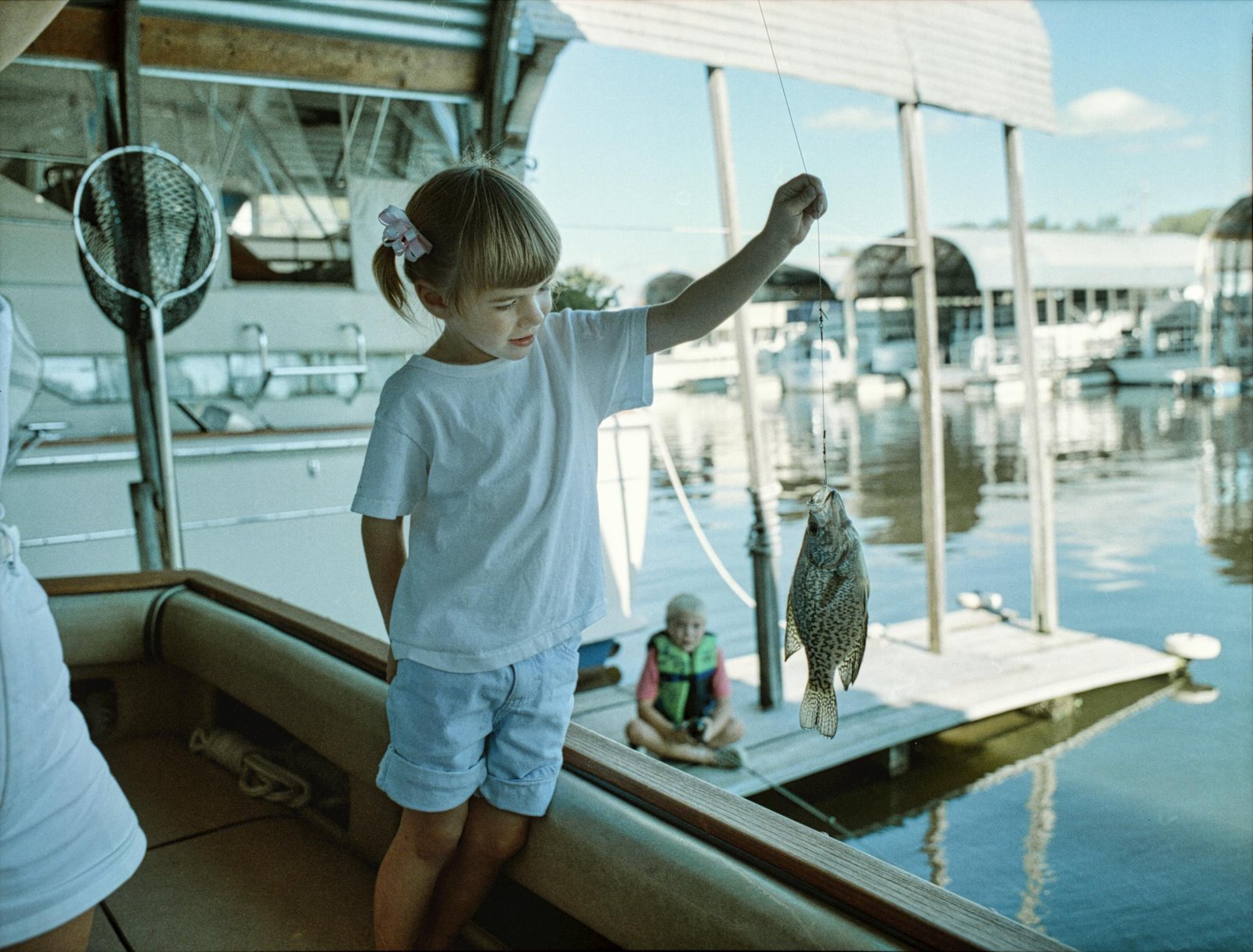
6 Steps to Start Fishing: How to Choose Your First Kit.
Steps to Start Fishing
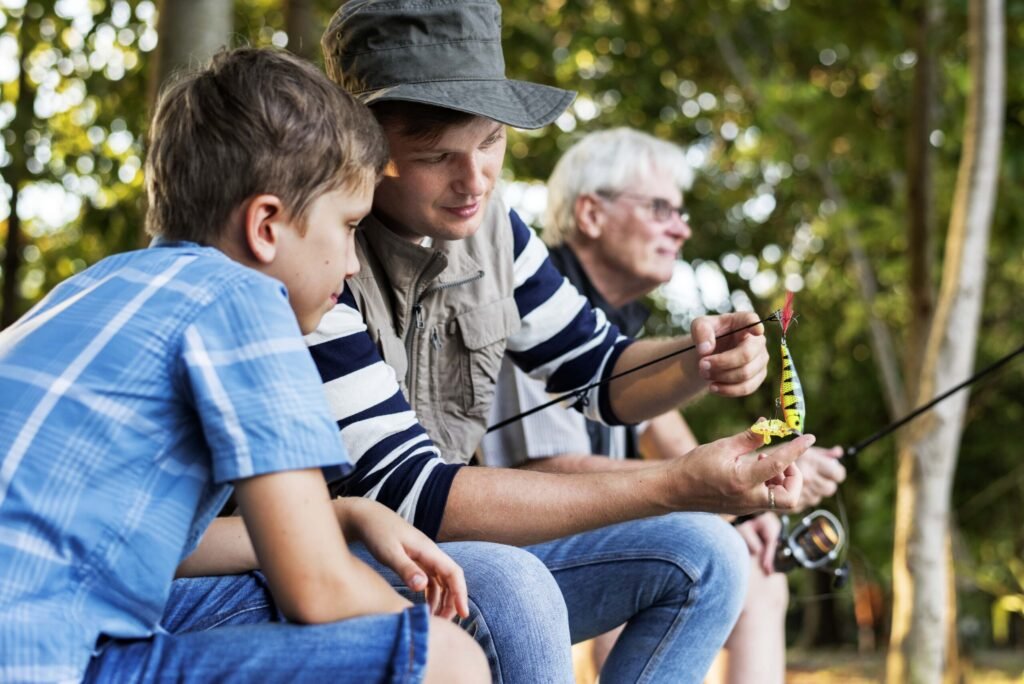
Table of Contents
6 Steps to Start Fishing: A Beginner’s Guide
Fishing can be an incredibly rewarding hobby. There’s a certain peace that comes with being out on the water, and the thrill of feeling a tug on your line is hard to beat. But for a complete beginner, knowing where to start can feel overwhelming. Don’t worry, we’ve got you covered. Here’s a simple, six-step guide to get you started on your fishing adventure.
Get the Right Gear
You don’t need to break the bank to get started. A basic setup is all you need. The three most important items are your rod, reel, and line. A spinning rod and reel combo is a great choice for beginners because they are easy to use. The line is usually pre-spooled on these combos, so you can start fishing right away. Beyond that, grab a small tackle box and fill it with essential items.
- Rod and Reel Combo: Look for a “medium-light” or “medium-action” rod, as this is versatile for catching a variety of common freshwater fish like panfish, bass, and trout.
- Line: For beginners, a 4 to 12-pound test monofilament line is a great starting point. It’s inexpensive, easy to tie knots with, and has enough strength for most freshwater fishing.
- Hooks: Get a small assortment of hooks in sizes 6-10. These are good for smaller fish and common baits like worms.
- Sinkers: These are small weights that help your bait sink to the desired depth. A pack of split-shot sinkers is perfect because they can be easily pinched onto your line.
- Bobbers/Floats: These are crucial for a beginner. A bobber lets you know when a fish is biting by dipping under the water. Look for simple plastic or cork bobbers that clip onto the line.
- Bait: A classic live bait like a nightcrawler or worm is a fantastic choice. You can also get a few simple artificial lures like a small spinner or spoon.
Learn a Few Basic Knots
Don’t let knots intimidate you. You only need to know a couple to start. The two most useful are the Improved Clinch Knot and the Palomar Knot. These knots will securely attach your hook or lure to your fishing line. Watch a few videos online or have an experienced friend show you. Practice at home with a piece of string and a hook until you can tie them without thinking.
- Improved Clinch Knot: A classic and reliable knot for tying your line to a hook, swivel, or lure. It’s a great all-purpose knot that you’ll use frequently.
- Palomar Knot: This is one of the strongest knots you can learn. It’s excellent for tying your line to a hook or lure and is especially good for braided line, though it works perfectly well with monofilament.
Find a Fishing Spot
You can’t catch fish if you’re not fishing where they live! Finding a good spot is part of the adventure, and there are several reliable ways to pinpoint productive waters.
- Consult Local Experts: Your local bait and tackle shop owners are treasure troves of information. They can tell you where the fish are biting, what bait they prefer, and even local regulations.
- Utilize Online Resources: Websites, forums, and apps dedicated to local fishing can provide hot spot tips and condition reports.
- Scout Public Access Points: Many local and state parks offer designated fishing areas, piers, or shore access. Look for areas with some natural “structure” like fallen trees, weed beds, rocky bottoms, or docks, as fish often hide and feed in these places. Always check signage for fishing regulations.
- Look for Moving Water: If fishing in rivers or streams, look for eddies (areas of calm water behind obstacles), bends, or deeper pools, as these are common holding spots for fish.
Understand the Rules
Fishing isn’t a free-for-all; it’s a regulated activity designed to protect fish populations and their habitats for future generations. Knowing and following the rules is paramount.
- Obtain a Fishing License: Most states and countries require a valid fishing license for anyone over a certain age. This is often the first and most important step. Licenses can usually be purchased online, at sporting goods stores, or at bait shops. The fees collected help fund vital conservation efforts.
- Know the Regulations: Every body of water can have specific rules. Pay attention to:
- Species-Specific Limits: How many fish of a particular species you can keep per day (bag limit).
- Size Limits: Minimum or maximum lengths for keeping certain fish.
- Catch-and-Release Rules: Some areas or species require you to immediately release any fish caught.
- Bait Restrictions: Certain baits might be prohibited in some areas.
- Seasonal Closures: Some areas or species may be off-limits during spawning seasons.
- Check Local Signage: Always look for signs at your chosen fishing spot, as they will often outline specific local rules.
Cast and Retrieve
Casting a spinning rod is easier than it looks. Hold the rod with your dominant hand and use your index finger to hold the line against the rod handle. Flip the bail (the metal arm on the reel) open. With a smooth motion, bring the rod back behind you and then forward, releasing your finger as the rod comes forward to send the lure or bait flying. Once your line is in the water, slowly reel it in (retrieve). If you are using a lure, the retrieve is what makes it look like a tasty snack to a fish.
- Practice on Land: Before you head out, practice your cast in an open area like a yard or park. Use a practice plug or a small weight to get the feel of the motion.
- Vary Your Retrieve: Don’t just reel in at a steady pace. Try pausing, twitching the rod tip, or reeling faster and then slower. This varied motion often triggers a fish to strike.
Be Patient and Have Fun
Fishing is often called the art of patience, and for good reason. There will be days when you don’t catch anything, and that’s completely normal. The goal isn’t just to catch a fish; it’s to enjoy the process. So, bring a friend, enjoy the scenery, and simply relax. When you do feel that first tug on the line, the patience will have been well worth it.
- Be a Good Steward: Leave your fishing spot cleaner than you found it. Pack out all your trash, including any discarded fishing line, which can be harmful to wildlife.
- Enjoy the Moment: Fishing is a great way to disconnect from the busy world. Take in the sights and sounds of nature, and appreciate the time spent outdoors, whether you catch a fish or not.
Tight lines, and we hope these 6 steps to Start Fishing inspire you to grab a rod and discover the wonderful world of angling!